Hello!
I am Federico, a PhD student at EPFL in Lausanne, Switzerland. I work on 3D Computer Vision in EPFL’s CVLab, supervised by Prof. Pascal Fua. My research lies mainly on neural implicit representations for 3D surfaces, with a particular interest in surfaces with difficult topologies, represented using Unsigned Distance Fields. Neural representations are quite fun in general, so I'm also working on image compression using them.
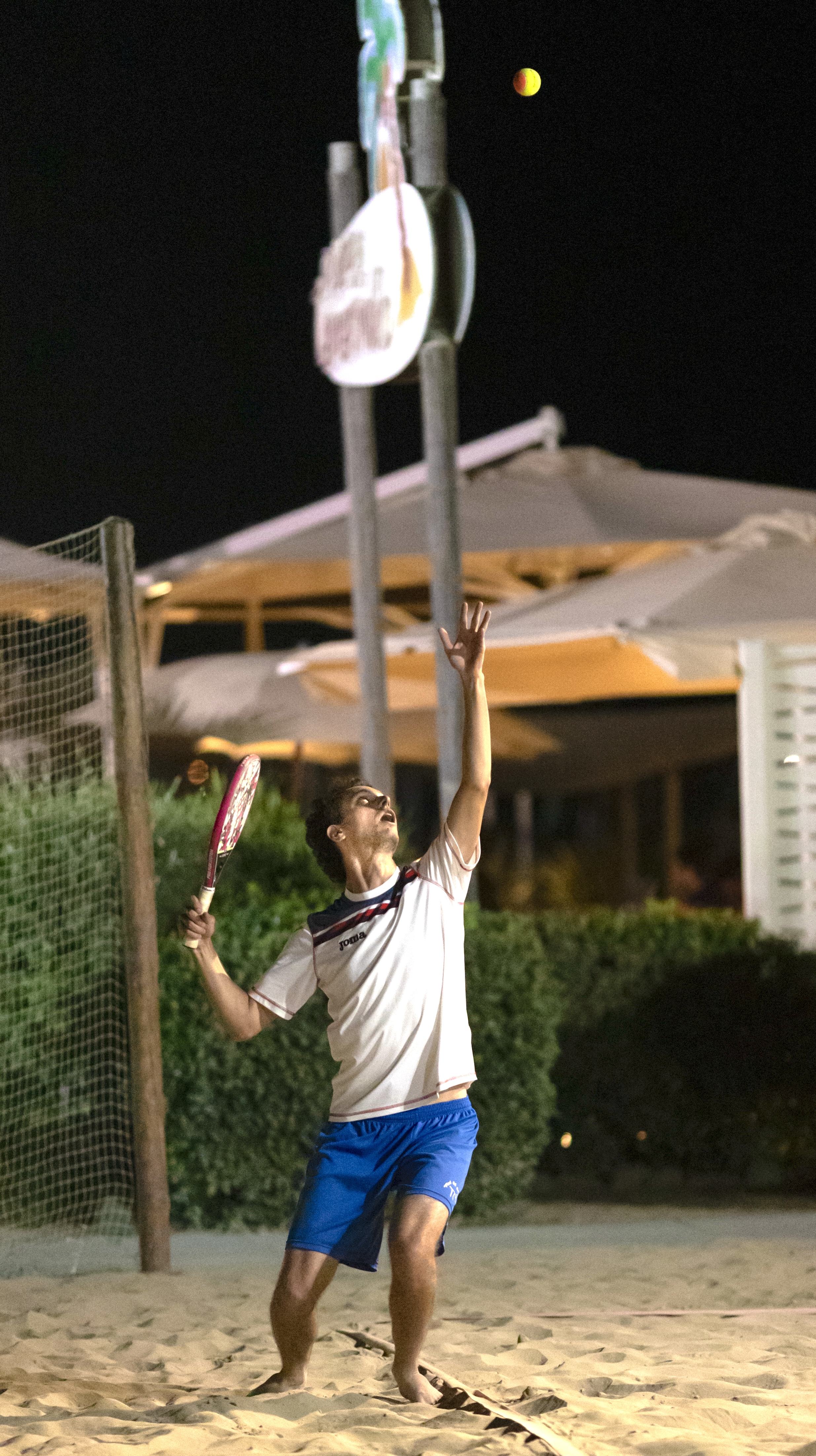
A part from research, I love beach tennis (as clear from the pic on the right), bouldering, photography, and I play a bit of music (guitar, drums, sing). If you want to see my research, it's below; if you want to see my pics and music, here's my YouTube and Instagram :)Publications
(full list on scholar)
High Resolution UDF Meshing via Iterative Networks
Federico Stella, Nicolas Talabot, Hieu Le, Pascal Fua; at NeurIPS 2025
[Project Page] [Paper] [Code - Coming Soon]
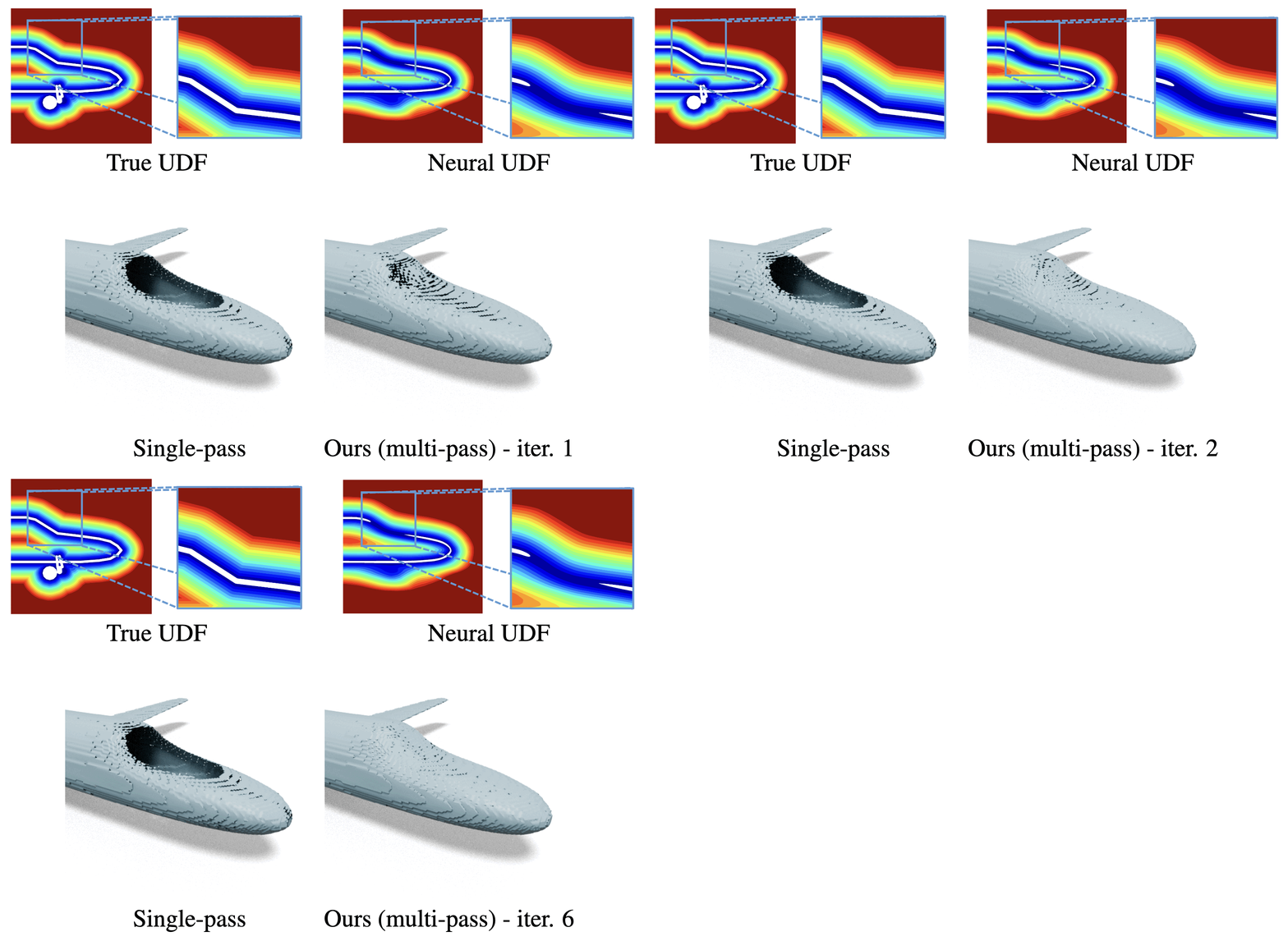
Meshing neural UDFs at high resolution poses intrinsic challenges, with many algorithms missing entire surface portions. But what if we let an algorithm run multiple times, refining its predictions iteratively?
Neural Surface Detection for Unsigned Distance Fields
Federico Stella, Nicolas Talabot, Hieu Le, Pascal Fua; at ECCV 2024
A neural approach to turn a UDF into a local SDF, which can be meshed with traditional algorithms.
MeshUDF: Fast and Differentiable Meshing of Unsigned Distance Field Networks
Benoit Guillard, Federico Stella, Pascal Fua; at ECCV 2022
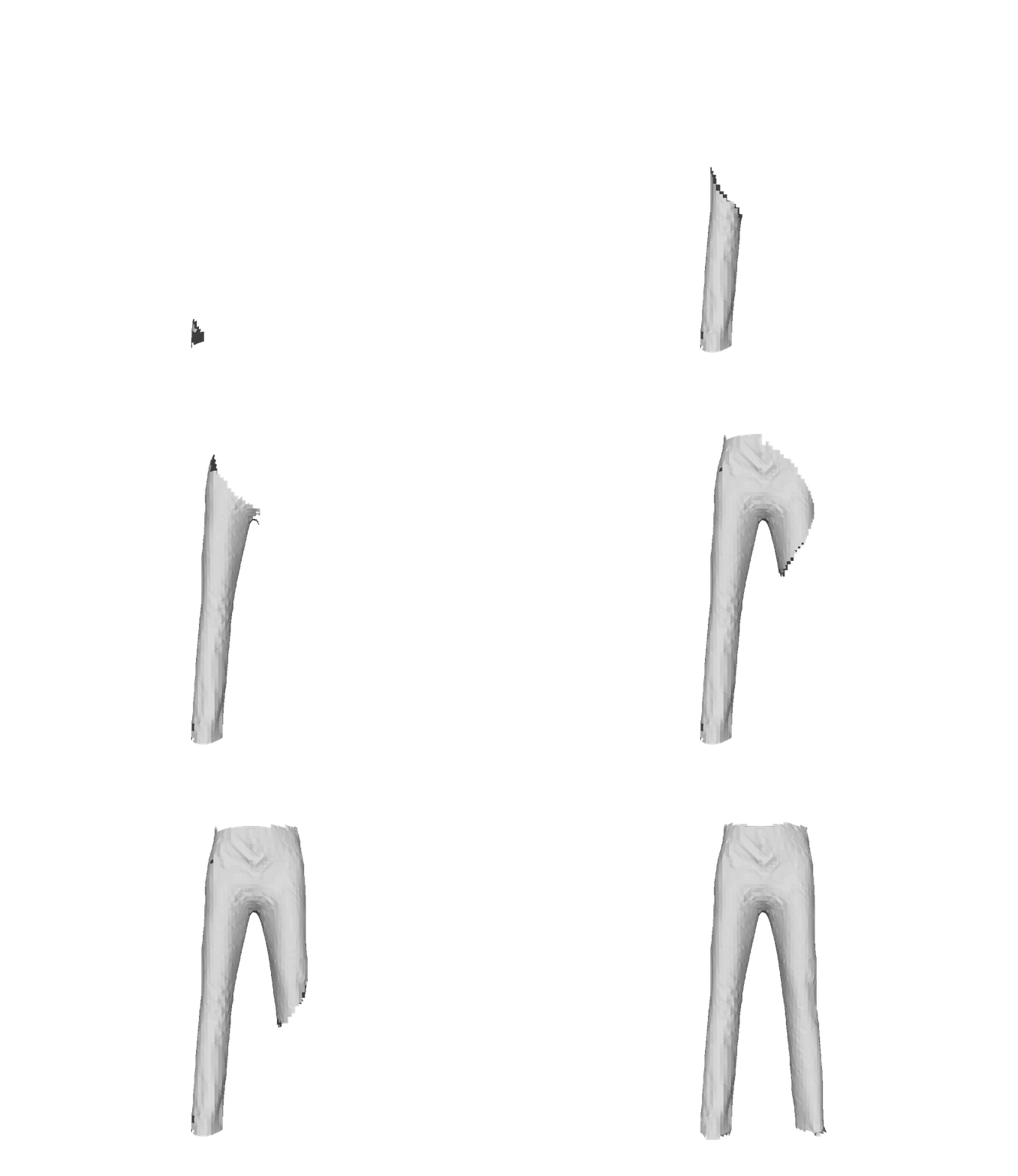
An extension of Marching Cubes to mesh non-watertight surfaces, applied the output of Unsigned Distance Field networks. We also derive gradients for the reconstructed vertex positions wrt. the UDF field.
Compass: Learning to Orient Surfaces by Self-supervised Spherical CNNs
Riccardo Spezialetti, Federico Stella, Marlon Marcon, Luciano Silva, Samuele Salti, Luigi Di Stefano; at NeurIPS 2020
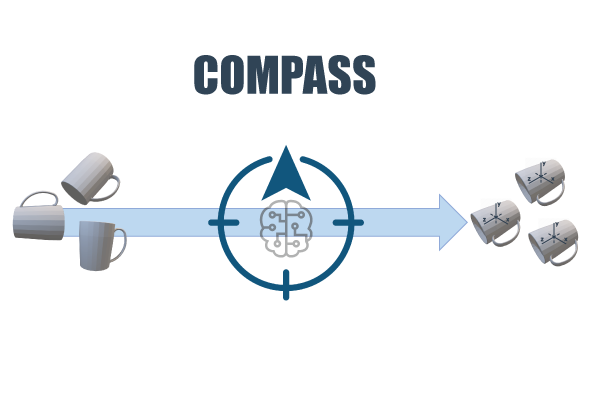
The first end-to-end trained Local Reference Frame for point clouds. It employs Spherical CNNs to extract rotation-invariant features from point clouds, and uses them to locally orient surface patches in a canonical way.